
Monterrey positions itself in the race for enterprise asset digitalization
Mexico attracted more than $36 billion in foreign direct investment in 2025. The adoption of digital technologies can increase business productivity by between 20% and 30%.
Business competition in Mexico has evolved. It is no longer measured solely by costs or expansion. Today, it depends on the ability to digitalize assets, secure operations, and reduce environmental impact in real time.
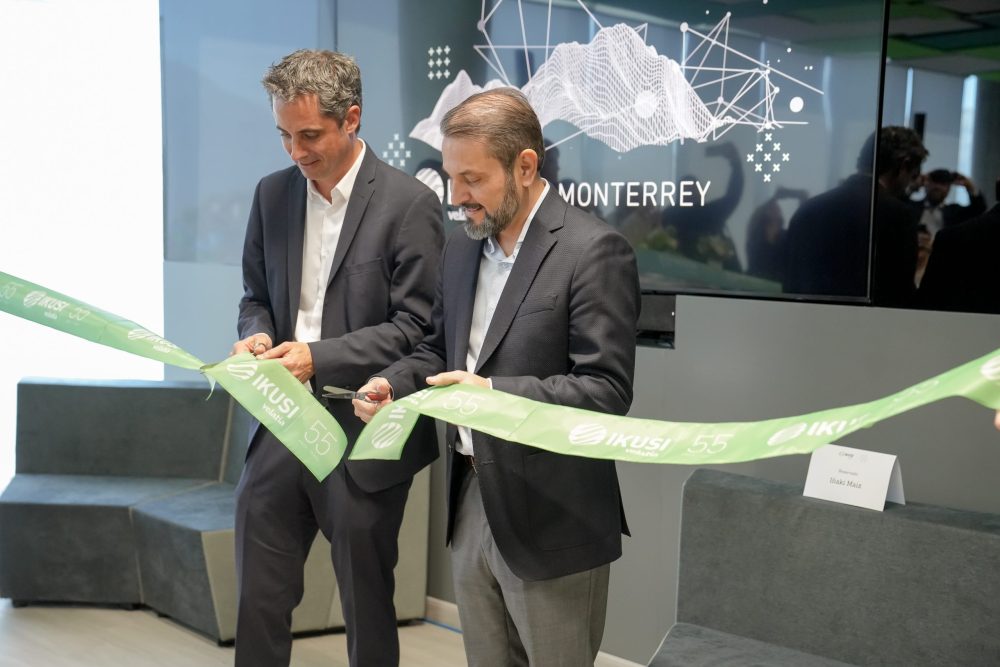
Under this premise, Ikusi has inaugurated new corporate offices in Monterrey. In addition, the company has launched a Technological Demonstration Center. From this space, industries will be able to operate more efficiently, using fewer resources and increasing resilience. All of this comes at a time when markets are increasingly exposed to technological and energy disruptions.
Monterrey, a hub for nearshoring and digital transformation
According to data from Mexico’s Ministry of Economy, the country attracted more than $36 billion in foreign direct investment in 2025, with the northern region as one of the main recipients thanks to the nearshoring phenomenon. In this context, asset digitalization, cybersecurity, and technological observability have shifted from being differentiators to becoming minimum operating requirements.
The opening of these facilities, spanning 1,200 square meters and including an interactive space for showcasing technological solutions, responds to a specific need: enabling companies to understand, measure, and optimize the performance of their digital assets. This is particularly relevant in sectors such as manufacturing, retail, and financial services, where every minute of downtime has a direct cost on business performance.
“The true competitive advantage lies in visibility: knowing what is happening in every asset, at every moment, and being able to act before a problem impacts operations or the business,” said Iñaki Maiz. “Our strengthened presence in Monterrey, with an interactive demonstration center, allows our clients to visualize how technology can transform their operations, reduce their carbon footprint, and maximize profitability. When we decided to enter Mexico, we did so with a clear focus on the local market, and we are proud to support Mexico on its path toward a more competitive and sustainable economy.”
Recent studies estimate that the adoption of digital technologies can increase business productivity by between 20% and 30%, while the lack of system visibility increases the risk of failures, cyberattacks, and operational losses. At the same time, regulatory and corporate pressure to reduce emissions has placed technological efficiency at the center of investment decisions.
With more than two decades of operations in Mexico and global revenue growth of 56% since 2019, the company has focused its development on cybersecurity, enterprise networking, and analytics—areas that today determine operational continuity in key sectors of the economy. Mexico is currently the company’s second most important market in terms of business volume.

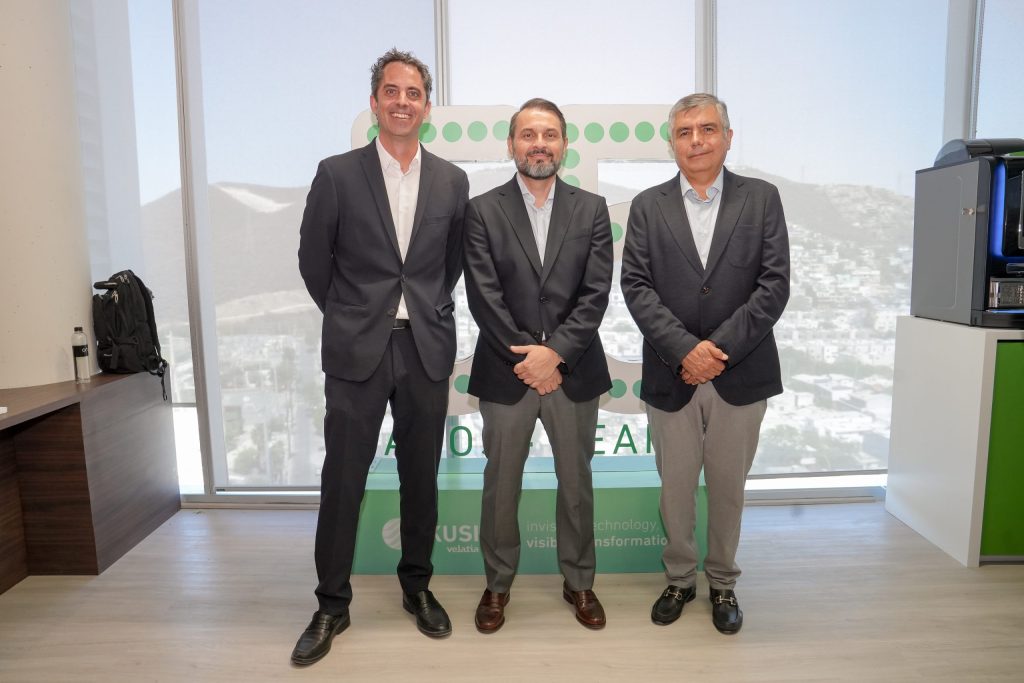
Gustavo Valdez, General Manager of Ikusi Mexico, emphasized the importance of personalization and close collaboration: “Technology is increasingly tied to business and decision-making. In Monterrey, companies are looking for solutions that not only work, but also deliver tangible impact on their financial results and sustainability. Our approach is not to sell products, but to co-create tailored technology services that enable our clients to optimize their processes, protect their digital assets, and adapt to a constantly evolving market. This new center is a testament to our long-term commitment to the technological and business development of Nuevo León.”
The scale of this operation is also supported by local talent. In Monterrey alone, Ikusi has more than 200 engineers and a 100% Mexican workforce, enabling the company to develop solutions aligned with the specific needs of the national market and respond with agility to the challenges of strategic sectors.
This initiative takes place in a city that has evolved from an industrial hub into a strategic innovation node, driven by supply chain relocation and the growing demand for technological infrastructure. In this context, asset digitalization, enterprise cybersecurity, and observability not only explain operational efficiency, but also define companies’ ability to sustain growth.