
AI in SD-WAN: From Traffic Management to Self-Healing Networks
Learn how AI transforms SD-WAN into self-healing networks with predictive intelligence, auto-repair capabilities, and autonomous optimization.
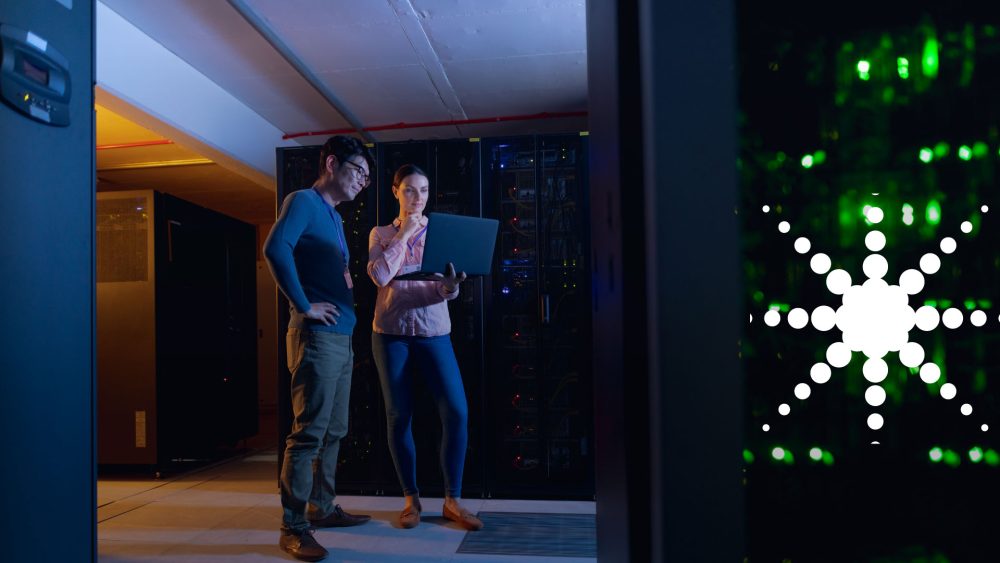
Salamanders can regrow entire limbs—bones, nerves, muscle tissue, everything. Scientists have spent decades trying to understand how these creatures pull off such remarkable self-repair without any outside help. Now, enterprise networks are doing something strikingly similar: detecting problems, deploying fixes, and fine-tuning their own performance completely autonomously.
AI and SD-WAN are converging to turn reactive network infrastructures into self-healing systems. It’s an evolutionary leap that’s fundamentally changing how organizations manage distributed networks, cloud applications, and remote workforces.
From reactive to predictive: Network intelligence reimagined
Traditional networks run on a simple premise: something breaks, you detect it, then you fix it. But by that point, users are already impacted, and you need someone from IT to step in. AI turns this whole approach on its head by building networks that spot trouble before it happens, prevent issues, and fix themselves.
Machine learning algorithms watch traffic patterns in real time and make routing decisions milliseconds before congestion hits. Traditional routing follows static rules that someone programmed months ago. AI-powered systems constantly adjust routes based on what’s actually happening—network conditions, user behavior, application requirements.
Key Insight: By 2026, generative AI integrated into SD-WAN platforms will handle 20% of initial network configurations—up from virtually nothing in 2023, according to industry forecasts.
This matters most for business-critical applications: video conferences, cloud ERP systems, collaboration tools. AI recognizes these high-priority flows automatically and guarantees they get the bandwidth they need, even when demand unexpectedly spikes.
Here’s what self-healing networks actually do:
- Predictive congestion analysis: Algorithms recognize patterns that signal upcoming bottlenecks and reroute traffic before users notice anything
- Adaptive Quality of Service: Priorities shift in real time based on business context and actual user patterns
- Self-healing links: The network detects failures and reconfigures routes automatically—no help desk ticket required
- Zero-touch provisioning: New sites go live in minutes through intelligent automated configuration
Networks that run themselves
Self-healing represents the biggest disruption. These networks identify connectivity issues, performance degradation, or service outages and immediately fix them: rerouting traffic, activating backup connections, adjusting parameters—all without IT intervention.
| Feature | Traditional Networks | AI-Powered SD-WAN (Ikusi) |
|---|---|---|
| Problem detection | Reactive, after impact | Predictive, before impact |
| Initial setup | Weeks or months | Minutes with zero-touch |
| Traffic optimization | Manual, static rules | Automated, machine learning |
| Fixing failures | Requires IT intervention | Intelligent self-repair |
| Threat response | After detection | Predictive prevention |
| Scalability | Resource-constrained | Unlimited, automatic |
Pairing this with SASE architectures amplifies security as well. The system catches malicious patterns, flags anomalous behavior, and identifies emerging threats in milliseconds—then automatically deploys countermeasures. This includes data loss prevention built specifically for generative AI workloads, ensuring sensitive company information doesn’t leak into external models.
AI as your network copilot

This isn’t about replacing network administrators. AI works as an intelligent copilot that handles repetitive tasks and frees up your team for strategic work. These systems integrate multiple intelligence layers: behavior analysis, demand forecasting, energy optimization, automated compliance.
Integration with advanced observability platforms gives you visibility you’ve never had before—into performance, user experience, system health. Instead of just getting alerts when something breaks, your team receives actionable insights and smart recommendations.
Companies adopting these technologies gain real competitive edge: operational agility, cost efficiency, better digital experiences. Intelligent connectivity isn’t a future goal anymore—it’s a current strategic imperative.
Ikusi SD-WAN Connectivity combines machine learning power with centralized management through Ikusi ONCE—delivering full visibility, advanced automation, and unlimited scalability so you can make strategic decisions based on real-time data.
Send us your information and we will contact you.