
From Data to Operations: How Artificial Intelligence Is Transforming Infrastructure Management
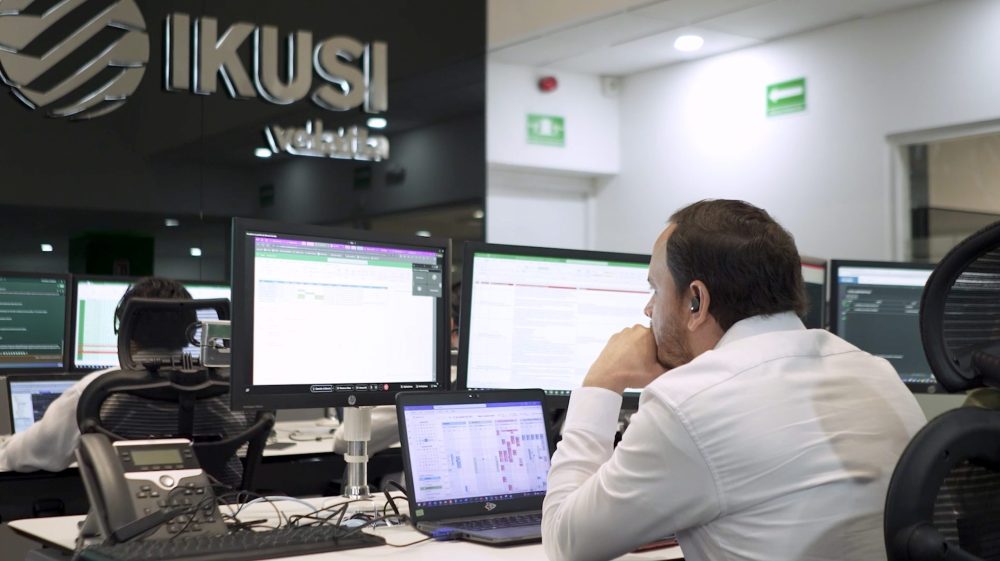
Artificial intelligence is changing the way organizations manage their technology infrastructures. However, the real challenge is no longer having access to more information, but being able to transform the vast amount of data generated by networks, data centers, applications, and security systems into decisions that improve operations. In this context, AI is beginning to play a key role—not only by automating tasks, but also by providing context, anticipating incidents, and enabling a much more proactive approach to management.
In fact, new platforms are emerging that integrate information from different layers of the infrastructure and turn it into actionable operational intelligence. One example is Cisco IQ, a suite of AI-powered applications that provides information and services to customers, partners, and Cisco’s internal teams. It brings together support, professional services, and analytics in a single interactive digital interface. Its goal is to simplify technology infrastructure management, accelerate problem resolution, and optimize IT operations.
Beyond the tool itself, what truly matters is the evolution of the operating model: moving from consulting fragmented data sources to having contextualized recommendations that support faster decision-making with less uncertainty.
However, turning information into the right decision still requires knowledge of the environment, the organization’s priorities, and its technology strategy.
This is precisely where the role of a specialized partner becomes critical.
At Ikusi, we view artificial intelligence as a tool to improve operations, not as an end in itself. Our role is to help organizations interpret information, prioritize actions, and transform recommendations into tangible improvements across their infrastructure.
This perspective is especially valuable for organizations operating in hybrid environments or working with multi-vendor ecosystems, where management extends far beyond a single technology platform. The ability to integrate different solutions, correlate information from multiple vendors, and align it with business needs is what unlocks the full potential of these new capabilities.
Platforms such as Cisco IQ reflect this evolution and point the way toward more automated and contextualized management. Yet the real value emerges when this intelligence is combined with experience, integration capabilities, and business expertise.
Ultimately, transformation is not simply about adopting new tools. It is about ensuring that technology helps organizations operate more effectively, respond more quickly to change, and build infrastructures that are ready for the challenges and opportunities presented by artificial intelligence.
Key Cisco IQ Capabilities
- Real-time insights: Monitors inventories, configurations, and software versions to provide complete visibility across the environment.
- Automation and issue resolution: AI-assisted diagnostics, simplified case management, and proactive recommendations.
- Personalized learning: Adapts to each customer’s environment to deliver highly personalized support that evolves alongside operational needs.
- Multimodal integration: Accessible through SaaS, APIs, email, ITSM platforms, Webex, and on-premises deployments, including security-isolated environments.
- End-to-end lifecycle support: Covers the entire technology lifecycle, from planning and design to implementation, optimization, and transformation.